Yiwu Market is the world's largest wholesale market for small commodities, located in Yiwu City, Zhejiang Province, China (about 300 km south of Shanghai). It's a massive hub for global sourcing, attracting buyers, traders, and exporters from over 200 countries. Here's a breakdown of key highlights (drawn from typical overviews like the one on the site you linked):
Size: Spans over 5.5 million square meters (about 1,360 acres) with more than 75,000 booths/shops.
Districts: Divided into five main districts (often called "Markets" or "Phases"):
District 1: Focuses on toys, artificial flowers, ornaments, and holiday items.
District 2: Specializes in hardware, electronics, bags, umbrellas, and tools.
District 3: Features stationery, office supplies, sports equipment, cosmetics, and eyewear.
District 4: Covers socks, apparel, scarves, belts, and daily necessities.
District 5: Includes imported goods, bedding, textiles, knitting materials, and automotive accessories.
It's open year-round (except during Chinese New Year), typically from 9 AM to 5 PM.
Over 2.1 million product varieties across 26 major categories and 500+ subcategories.
Known for affordable, small-quantity wholesale items (e.g., MOQs as low as 1 carton for some products).
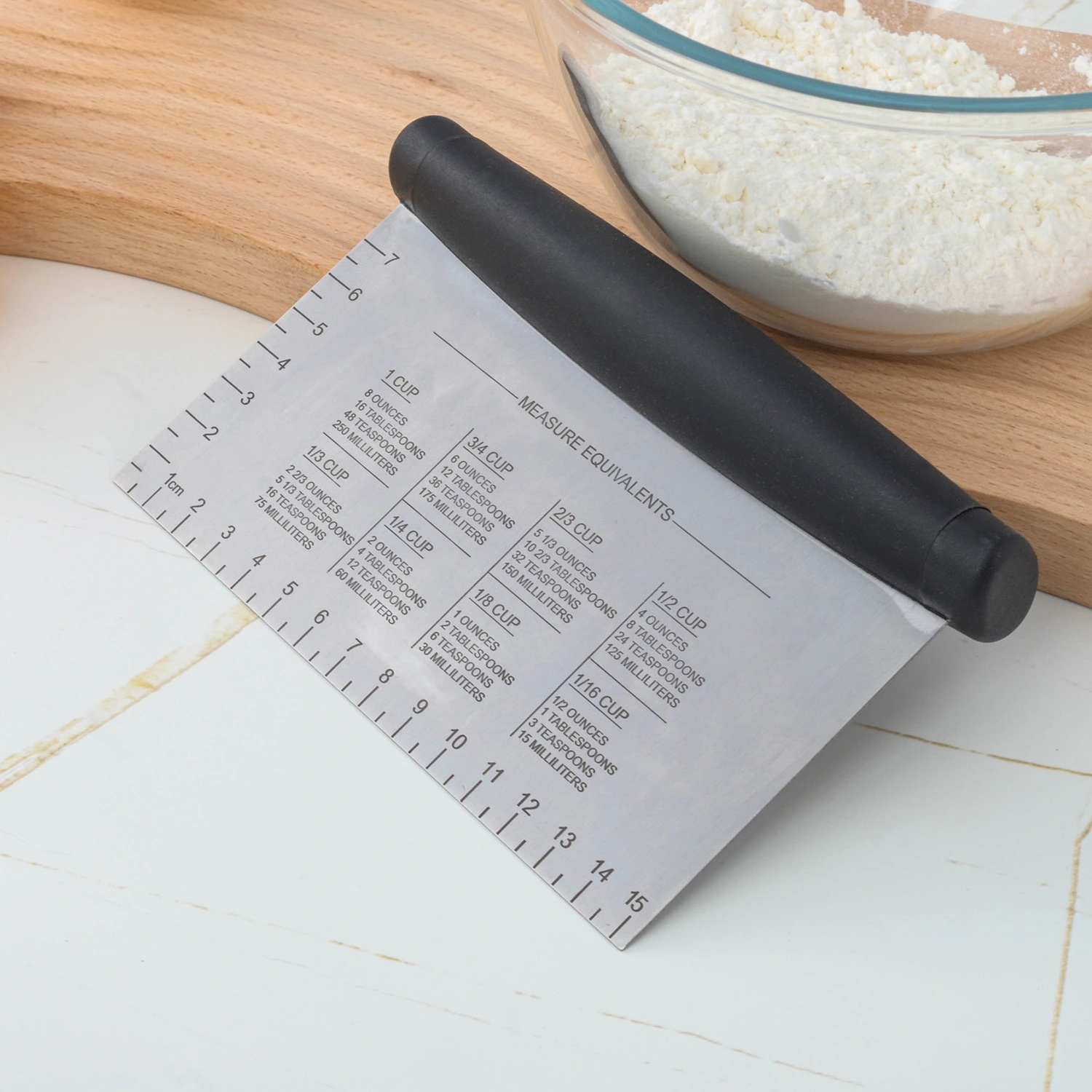
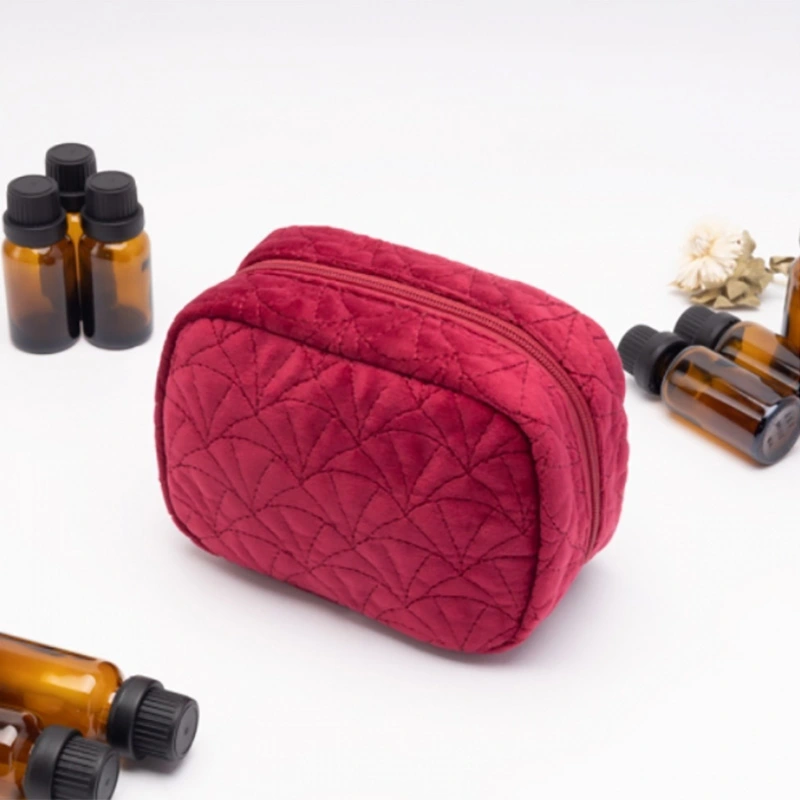
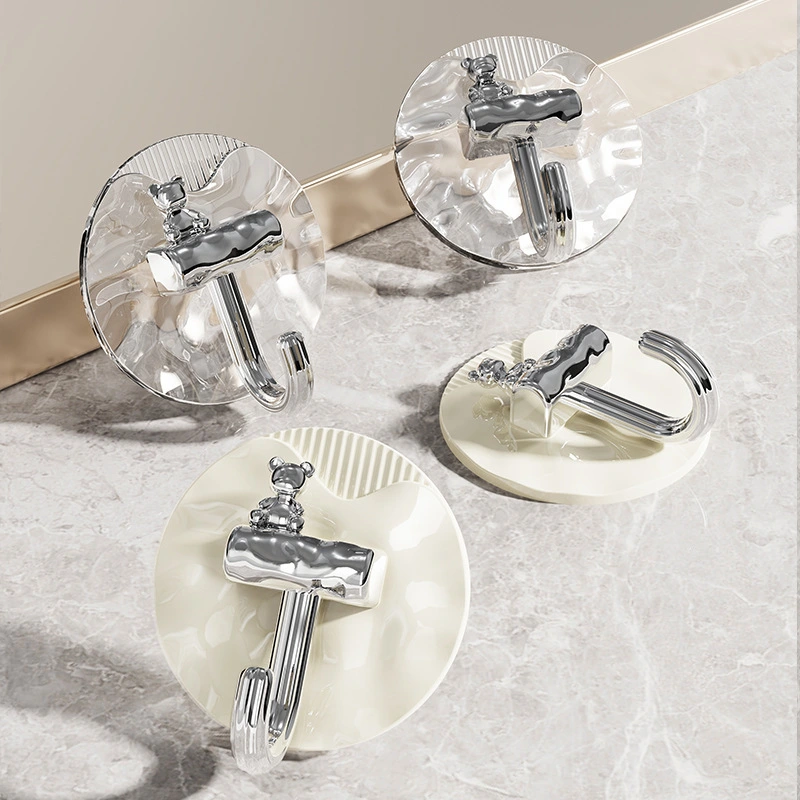
Popular items: Jewelry, toys, clothing, electronics accessories, home decor, kitchenware, beauty products, and seasonal goods like Christmas decorations.
It's a "one-stop shop" for small commodities—think everything from dollar-store items to custom-manufactured goods.
Low Prices: Direct from factories/manufacturers, with competitive pricing due to Yiwu's manufacturing ecosystem.
Global Trade Hub: Handles exports worth billions annually. Many suppliers offer OEM/ODM services for branding.
Accessibility: English-speaking agents, translation services, and logistics support are common. The Yiwu Futian market is connected via high-speed rail to major cities like Shanghai (1-2 hours away).
Sourcing Tips (often covered on sites like YiwuBuying.com):
Use sourcing agents to navigate language barriers, negotiate prices, and handle quality checks/shipping.
Bargaining is expected—prices can drop 10-30% with good negotiation.
Payment methods: Cash, bank transfers, or platforms like Alibaba's Trade Assurance.
Challenges: Counterfeits, varying quality, and logistics (e.g., shipping via Ningbo or Shanghai ports).
Best Time to Visit: Avoid Chinese holidays (e.g., Spring Festival in Jan/Feb). Peak seasons are March-May and September-November for trade fairs.
Visa and Travel: Foreign buyers need a business visa; the market has free shuttles and is near Yiwu Airport (YIW).
Online Sourcing: If you can't visit, platforms like Yiwugo.com (the official online marketplace) or agents via sites like YiwuBuying.com can help source remotely.
Costs: Expect to budget for travel, accommodation (hotels near the market start at $30-50/night), and agent fees (around 3-5% of order value).
dolphinyw.com itself appears to be a sourcing agency website that offers services like market guides, product sourcing, quality inspection, and shipping from Yiwu. Their overview page likely includes Yiwu market location map, district guides, and tips for first-time buyers—it's a great resource if you're planning to import goods.
If you have questions about specific products, how to source from Yiwu, or need help with a business plan related to this, let Dolphin wholesale know! For example, are you looking to buy something particular, or do you want a comparison with other Chinese markets like Guangzhou or Shenzhen?